On view: from October 26 to November 28, 2016
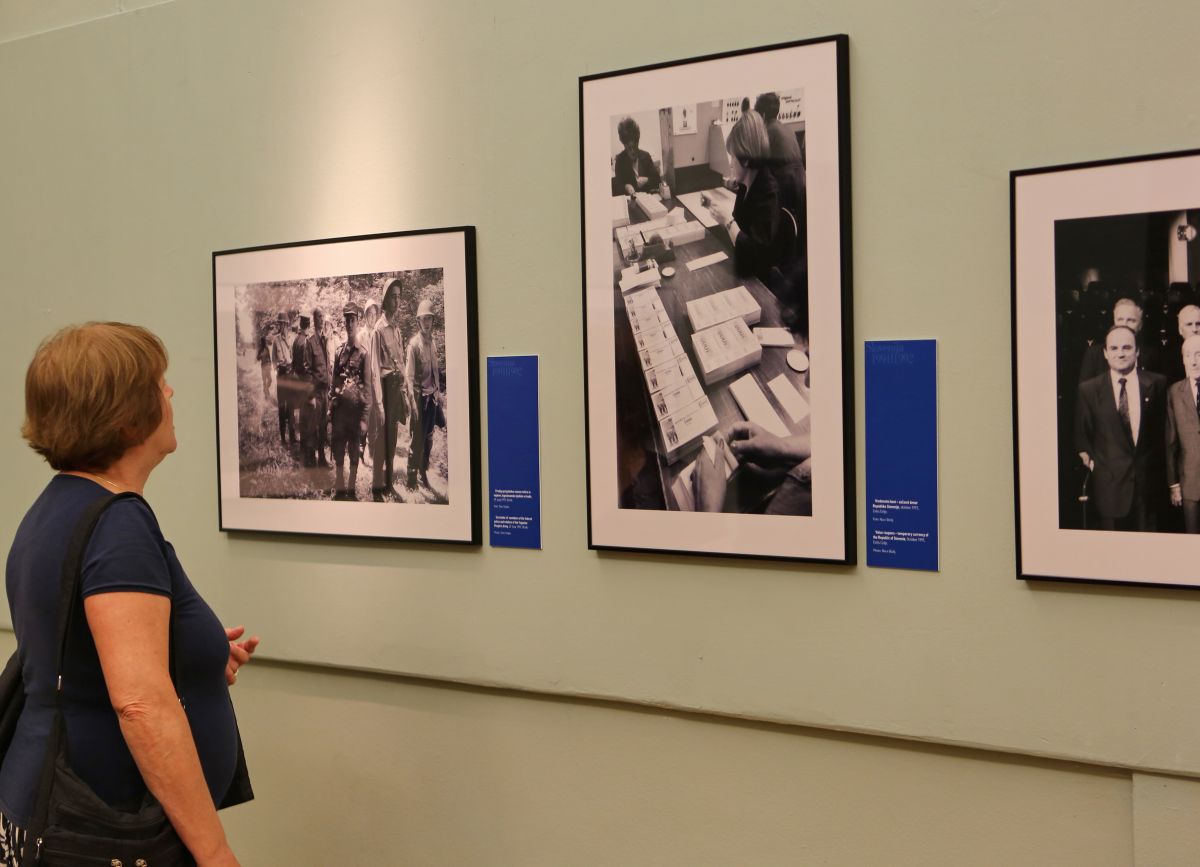
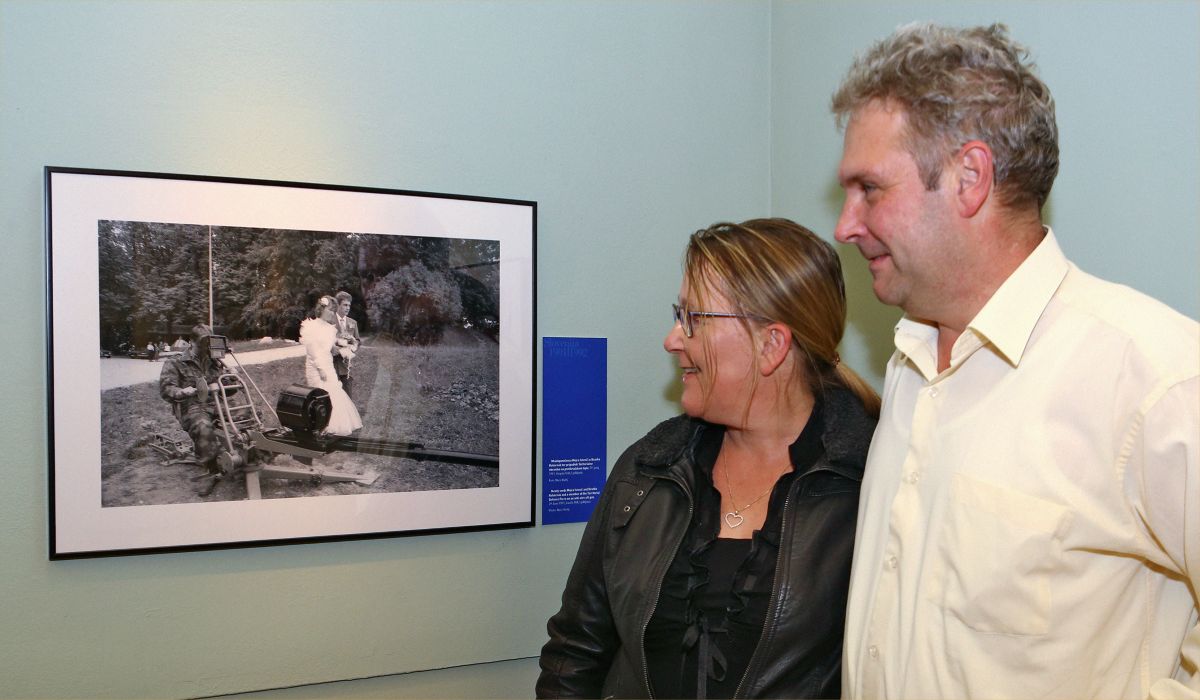
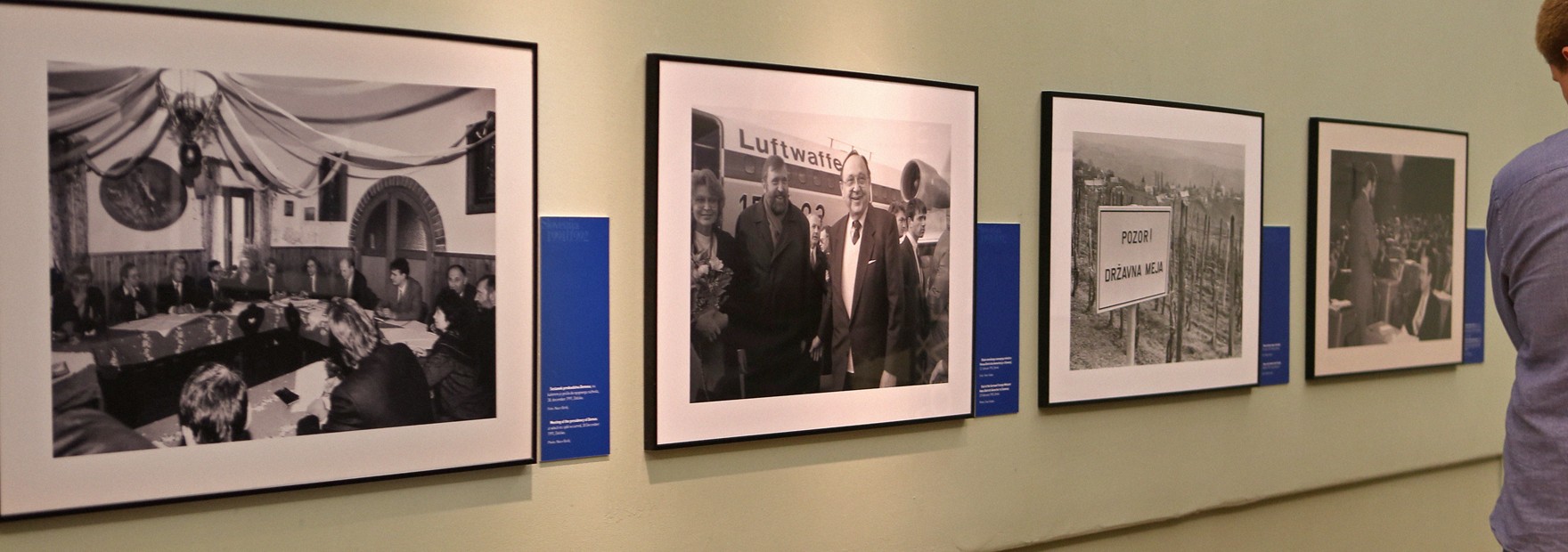
The exhibition “Slovenia 1991/1992” is an interesting stroll through the period of the emergence, creation and slightly more than a year in the life of the new state of Slovenia.
It leads visitors into the time of the last attempts for the survival of socialist Yugoslavia, the proclamation of Slovene independence and its subsequent defence, the introduction of its own currency, the tolar, the creation of new borders, as well as the establishment of Slovenia as an independent country on the European and world map, recognised by other countries.
It shows the parallel, change-filled internal political events, as well as the still topical problem of refugees, who flooded into Slovenia at that time from Croatia and Bosnia and Herzegovina, where inter-ethnic conflicts had then erupted.
It also touches on the sphere of founding new sports organisations and the participation of sportspersons in competitions of the highest rank under the new, Slovene flag.
The exhibition starts and ends with symbolic »contrasting« photos taken in the two countries and on two different levels of deciding. In the first, the presidents of the Yugoslav republics at a meeting in Brdo pri Kranju, in April 1991, and in the second, voters at the first parliamentary and presidential elections in independent Slovenia, in December 1992. The first tried to find a formula for the survival of a state that in the given circumstances no longer had a common future; in contrast to the second, who by voting to a decisive extent could influence the future of the new country.
The 18 rarely or never previously shown photographs by Nace Bizilj, Marjan Ciglič, Tone Stojko and Edi Šelhaus, from the photographic fund of the National Museum of Contemporary History, thematically supplement the concluding part of the permanent exhibition »Slovenes in the 20th century«.