Pavla Jesih (1901–1976)
125 years since the birth of Slovenian mountaineer and entrepreneur Pavla Jesih and 50 years since her death
Pavla Jesih was born on 10 May 1901 into the large Jesih family, who lived in the area of present-day Rudnik. Her father, Jakob, was a butcher by trade, a profession later taken up by Pavla’s younger brother Jakob (born in 1903). Pavla, however, was drawn to a different world from an early age. She became part of a generation of young Slovenian climbers who were pushing the boundaries of mountaineering in the Julian Alps.
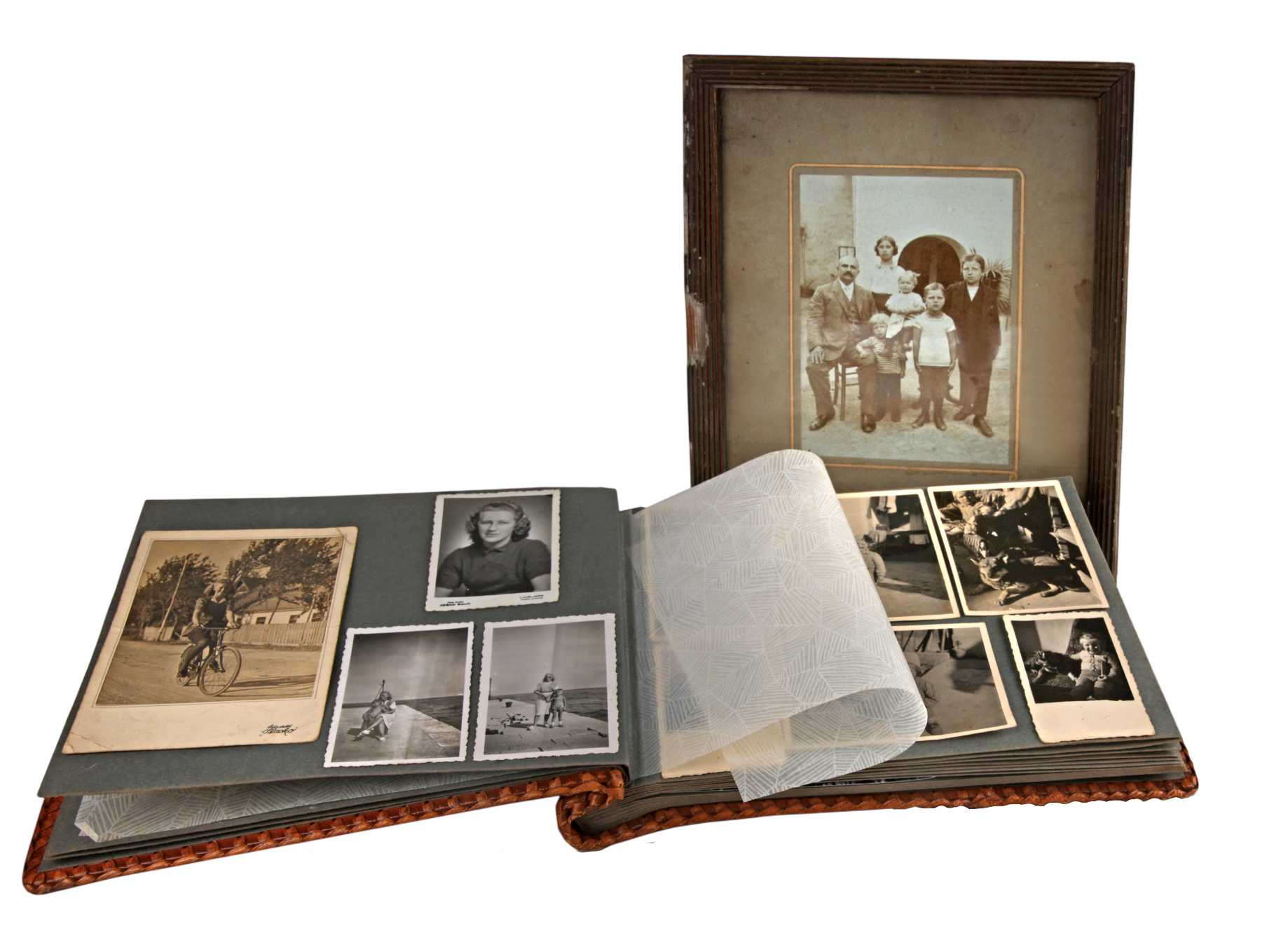
She began her mountaineering career in 1926. Climbing in partnerships with Miha Potočnik, Jože Čop, Milan Gostiša, Jože Lipovec and other climbers, she completed numerous first ascents, including routes on the north faces of Debela Peč, Škrlatica, Jalovec, Široka Peč, Špik, Travnik and Rogljica. In just seven years, she completed as many as eighteen first ascents and, alongside Mira Marko Debelak, ranked among the leading figures on the European mountaineering scene of the time. Photographs from the family collection, preserved in our museum, document this period and the circle of mountaineers with whom Pavla shared her life in the mountains.
In 1934, she was involved in an accident on Velika Mojstrovka. After a lengthy recovery, she was unable to return to her former mountaineering routine, so she redirected her energy and entrepreneurial spirit towards the cinema. In 1936, she took over the management of the Metropol cinema in Celje, followed later by Kino Union, and expanded her activities to Ptuj, where she managed Kino Royal. In 1940, she took over Kino Matica in Ljubljana. When selecting films for her programmes, she followed trends abroad and combined her business acumen with an interest in new developments in film culture.
The Second World War had a profound impact on her life. Pavla supported the resistance movement and also used her business connections to assist the Liberation Front. After the liberation, in 1945, she returned to the mountains once more and, together with Jože Čop, set out for the north face of Mount Triglav. Between 26 and 30 June, they climbed a previously unclimbed pillar, now known as the Čop Pillar. The ascent was extremely demanding. After several days of climbing and bivouacking, Pavla became stranded on the wall, but after four days she managed to make her way out of the wall on her own. Although the two climbers wished to name the route the Skalaški steber, it was later named after Jože Čop.
In the post-war years, the course of her life changed dramatically. In January 1946, her property was confiscated and she was dispossessed. The entrepreneur who had managed several cinemas before the war withdrew from public life and became increasingly secluded. The mountains, once the setting for her achievements, became above all a place of memory. Pavla Jesih died on 12 December 1976.
The surviving photographic album, which is the Museum Object of the Month for October, was carefully preserved by her relatives, her niece Nastjenka and Nastjenka’s daughter Nina. Since 2025, it has been part of the museum’s photographic collection and represents an important source for understanding Pavla’s life as well as the broader social and cultural context of the first half of the 20th century.